 Mattresses
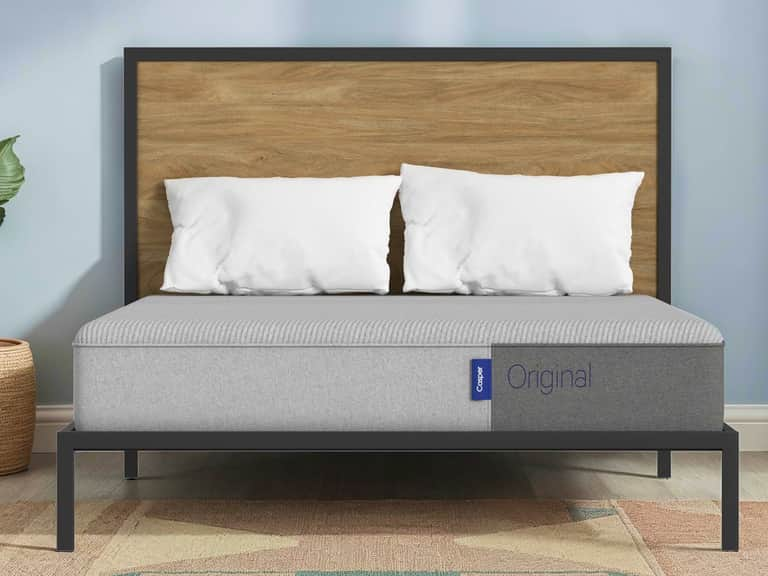
Original Mattress
Sleep cooler with airflowing Casper Signature Foam, plus body-conforming memory foam and three-zone Zoned Support for ergonomic alignment and steady, responsive comfort from top to base.
Foam mattresses are constructed to provide targeted support and pressure relief through layered foam materials, typically combining memory foam, transition foam, and support cores. This design aims to contour to the body's curves while maintaining spinal alignment. In educational contexts, memory foam pillows and other bedding components complement the foam mattress to balance comfort and support throughout the night.
The Original Mattress in this category emphasizes durable support and balanced contouring, often featuring high-density foam that resists sagging over time. Key functional benefits include improved motion isolation, reduced partner disruption, and a stable sleep surface suitable for a variety of sleeping positions, with compatible sheets and bedding materials for optimal performance.
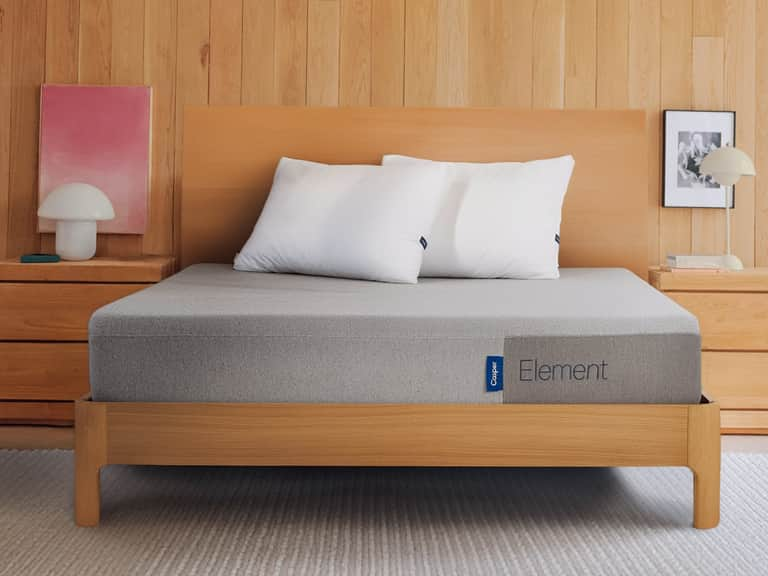
The Element Mattress introduces a distinct foam layering approach that enhances pressure relief on hips and shoulders while maintaining resilience for easy repositioning. This model typically incorporates open-cell or gel-infused foams to promote airflow, helping regulate temperature and comfort levels across different sleep environments and bed frames.
Understanding foam mattress construction helps users select appropriate firmness levels and compatibility with organic mattresses and organic bedding. Users should consider support core density, cover materials, and foam density ratings to evaluate long-term durability, breathability, and overall sleep quality across pillow choices and memory foam pillows within the broader bedding ecosystem.
In addition to the foam core, compatible accessories such as sheets, pillow protectors, and memory foam pillows contribute to a cohesive sleep setup. Knowledge of foam mattress features—supportive cores, motion isolation, and temperature regulation—supports informed decisions about bedding, ensuring a restful, well-supported night’s sleep aligned with ergonomic sleep principles.
Mattresses
 Mattresses