A Guide to latex vs memory foam mattresses: what to choose for back sleep and allergies
A Time-style exploration of two cornerstone mattress materials, their science-backed differences, and what readers should consider if they sleep on their backs and contend with allergies.
Published for vivimattress.com on September 30, 2026
In the quiet hours of the night, the anatomy of a mattress becomes a matter of science and sensibility. Latex and memory foam are not merely two materials to compare; they embody distinct philosophies of sleep. Latex speaks to buoyant resilience and natural origins, while memory foam embodies contouring support and gradual response. For back sleepers, the choice can influence spinal alignment, pressure relief, and overall morning clarity. For allergy-aware shoppers, the materials carry implications for breathability, dust-mite resilience, and environmental footprint. The decision between latex and memory foam is less a battle of right versus wrong than a nuanced conversation about sleep posture, temperature regulation, and personal sensitivity.
This guide weaves together contemporary sleep science, consumer-tested trial insights, and real-world considerations. We’ll meet three archetypal readers—spanning centuries of thought and practice—to illustrate how the material decision plays out in different contexts.
What each material promises: a concise primer
Natural latex mattresses
Natural latex is sourced from rubber tree sap and processed into Dunlop or Talalay foams. The material is known for a responsive bounce, durable support, and a buoyant feel that tends to preserve spinal alignment for back sleepers. Because latex tends to be more breathable than dense memory foams, many users report cooler nights in warmer climates or seasons.
- Firmness often ranges from medium to firm, with varying densities that tailor support for the lumbar region.
- Natural latex can be inherently more breathable, aiding temperature regulation.
- Allergen considerations: some people have sensitivities to latex proteins; look for certified natural latex products and inner covers that minimize exposure.
Memory foam mattresses
Memory foam is celebrated for its slow-recovering contour that cradles pressure points and aligns the spine through uniform immersion. For back sleepers, the gentle, even support can reduce gross movement across the mattress and encourage a neutral spine. Temperature sensitivity, however, can vary by formulation, and some firmer or newer foams may trap heat more than latex.
- Conforms to body contours, providing motion isolation that can be advantageous for couples.
- Can vary in open-cell vs conventional foams, influencing breathability and feel.
- Allergen considerations: high-quality memory foam often includes antimicrobial or low-emission formulations; always review CertiPUR-US or equivalent certifications.
Back sleepers: why spinal alignment matters
Back sleeping relies on a neutral spine where the natural curves are maintained without creating undue pressure on the lower back. The mattress should support the lumbar region without letting the hips sink excessively. Latex’s buoyant support can help prevent sagging in the midsection, while memory foam’s contouring can distribute weight evenly and reduce motion transfer. The right blend of support and softness is often a matter of personal preference and body weight, but there are general guidelines that help with initial decisions during product trials.
Think of a back sleeper’s needs as a balancing act: you want enough contouring to relieve pressure but enough support to keep the spine aligned. In latex, the response is quick but resilient; in memory foam, it’s slow and enveloping. The practical test during a trial should include lying on your back for several minutes, observing whether the lumbar region remains supported, and whether there’s any sensation of the hips dropping or the shoulders feeling cramped.
Allergy considerations: air quality, materials, and care
Allergies can complicate the choice between latex and memory foam. Some latex products vie for natural credentials, including certifications that address purity and hypoallergenic properties. For memory foam, attention shifts toward the emissions profile, odor potential, and the presence of any additives that could affect sensitivity. In both cases, the outer cover and bedding ecosystem play an important role in mitigating exposure to irritants.
- Look for certifications: GOTS, OEKO-TEX, CertiPUR-US, and other third-party attestations that verify low levels of harmful chemicals.
- Consider the cover fabrics: breathable, washable covers can help maintain a clean sleep surface and reduce allergen buildup.
- Ensure proper room hygiene: factors such as dust mite control and humidity management complement the mattress choice.
Durability and long-term performance: what lasts longer and why
Durability expectations differ between latex and memory foam. Latex tends to resist sagging over longer periods, offering a robust return-to-form after compression. Memory foam durability depends on density, layering, and how well the mattress disperses heat and moisture. For back sleepers, durability translates into sustained lumbar support and consistent alignment across the mattress’s lifespan. The takeaway is context: a high-quality latex core can outperform lower-density foams in longevity, while a well-designed memory foam system can deliver exceptional pressure relief for many years but may require moisture management to maintain the foam’s integrity.
A decision framework: practical steps to choose
- Test the basics: assess firmness options that align with your weight and preferred sleep position, especially when lying on your back.
- Check the cooling profile: if you are heat-prone, prioritize breathable latex or foam with temperature-management features in the cover and core.
- Evaluate motion and edge support: memory foam often excels at motion isolation, whereas latex can offer consistent edge support with a springy resilience.
- Allergy and materials screening: verify certifications, sensitivities, and the presence of any potential irritants in the core and cover.
- Trial period and warranty: select options with robust sleep trials and clear warranties that cover structural integrity and comfort expectations.
Three key historical and contemporary readers to contextualize the debate
1) An ancient physician and a pioneer of body alignment
In eras when sleep was a daily ritual rather than a consumer choice, thought leaders sought harmony between the body and its resting surface. The physician’s advice would likely emphasize posture, breath, and the absence of misaligned joints upon waking. While materials were less technological, the principle endured: support the natural curves, especially the lumbar region, to promote rested mornings. This perspective foreshadows the modern insistence on spinal alignment in mattress design.
2) A 19th-century engineer who chronicled comfort in industry
Think of a time when iron beds and spring systems began to reshape sleep in dense urban centers. The engineer’s lens would focus on resilience, durability, and the science of distribution of weight. The latex vs memory foam debate mirrors an old engineering tension: immediate responsiveness versus gradual contouring. The historical echo reminds us that comfort is a function of material behavior when loaded and unloaded over hours of use.
3) A contemporary sleep scientist studying allergies and temperature
In modern times, the field has converged on the idea that sleep quality is a marriage of biomechanics and environment. A sleep scientist would emphasize microclimates, allergen exposure, and the physiological responses to different materials across different climates. This voice underpins the current emphasis on breathable covers, certifications, and transparency from manufacturers—precisely what drives consumer confidence in latex and memory foam options.
Product spotlight: tangible options from the catalog
Vispring Heaven Mattress Topper
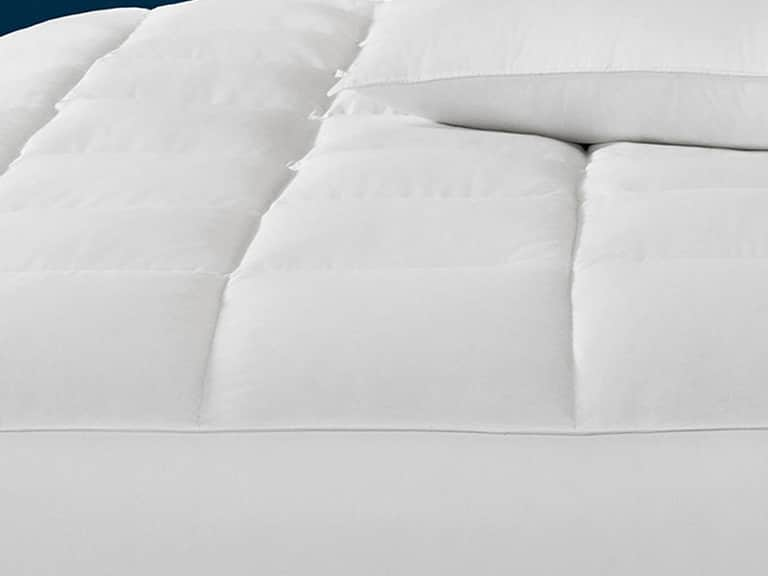
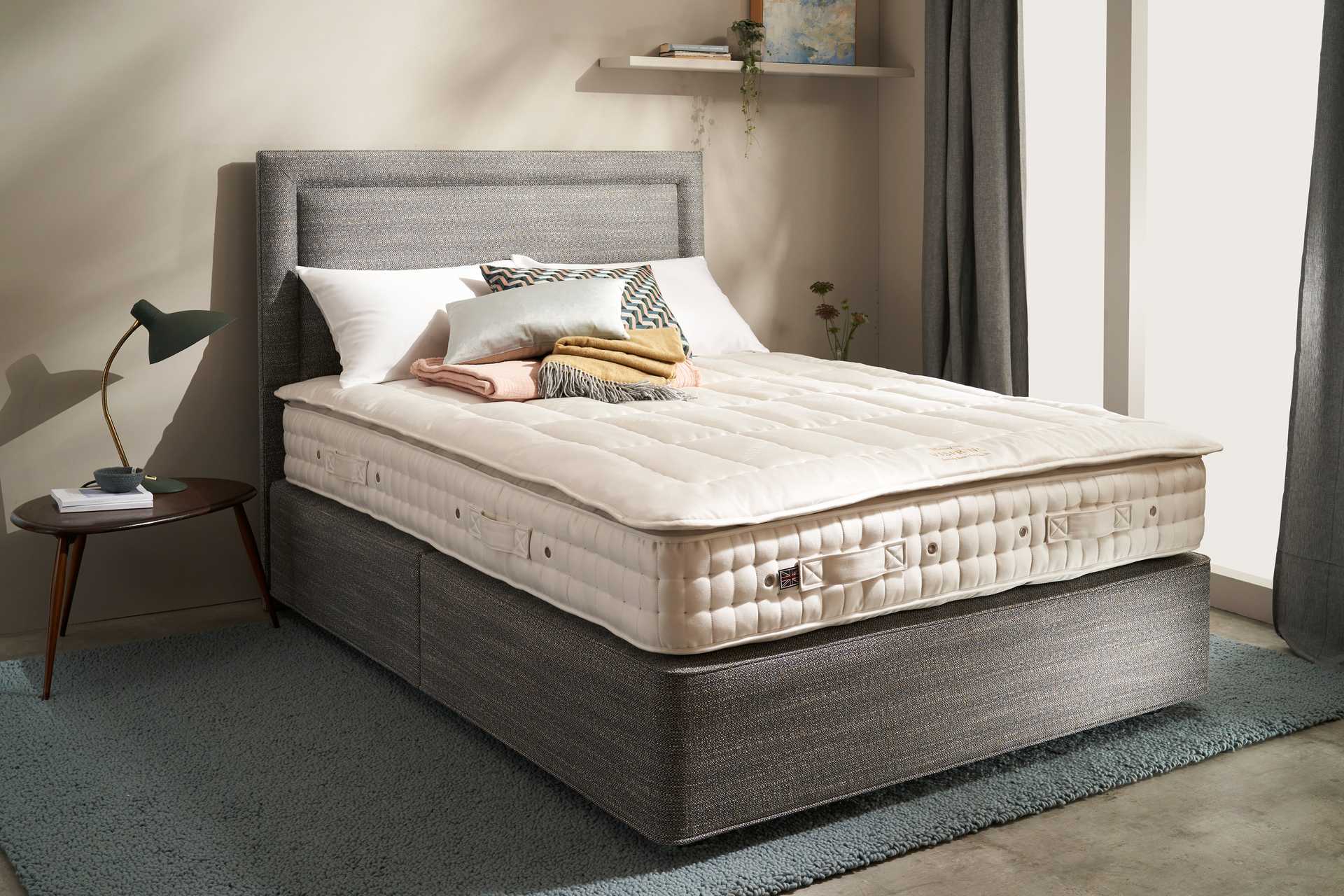
Indulge in a peaceful night’s sleep with a topper filled with British fleece wool. This topper provides a balanced cushion and temperature regulation that can work atop a latex or memory foam base to enhance comfort.
Price: $1,730.00
View productSavvy Rest Wool Pillow
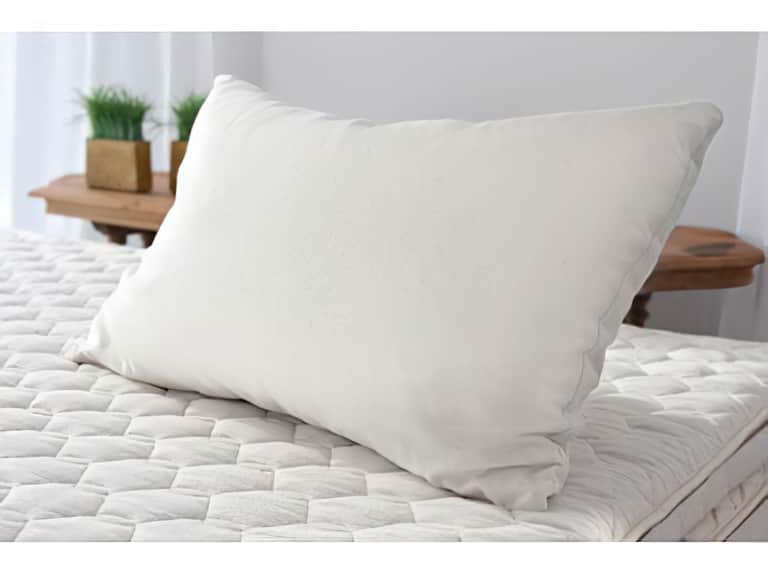
A certified organic wool filling that breathes with your body, offering warmth in winter and cooling in summer. Customizable for individual sleeping needs.
Price: $185.00
View productDecision chart: latex vs memory foam in a snapshot
Latex: pros for back sleepers
- Responsive lift helps maintain neutral spine alignment
- Often cooler due to better breathability
- Durable with strong long-term support
Memory foam: pros for back sleepers
- Contour support distributes weight evenly
- Excellent motion isolation for couples
- Varied densities allow customization for comfort
Conclusion: choosing what optimizes sleep health
Across the centuries and into the modern era, the pursuit of better sleep has always hinged on the relationship between the body and its resting surface. Latex and memory foam each offer distinct pathways to comfort, resilience, and relief. For back sleepers with allergies, the decision is informed as much by certifications, fabric choices, and care routines as by the fundamental feel of the core material. The right mattress—whether rooted in latex’s buoyancy or memory foam’s contour—can be a catalyst for better posture, reduced waking stiffness, and improved overall well-being.
Editorial note on identity and future content
As the site vivimattress.com grows, the editorial aim remains to illuminate sleep science with accessible explanations, clear testing protocols, and transparent product disclosures. The content strategy will continue to blend practical buying guides with deeper dives into materials science, safety, and environmental considerations. Expect ongoing coverage of seasonal sleep considerations, troubleshooting guides for common sleep disruptions, and stakeholder interviews with sleep researchers and industry craftsmen dedicated to safer, better sleep.
Glossary and resources
- CertiPUR-US: a certification indicating low emissions and rigorous testing for foams.
- Dunlop vs Talalay: two curing processes for latex foams that influence feel and density.
- Edge support: the mattress’s ability to maintain integrity and support near the sides.
- Motion isolation: the degree to which a mattress dampens movement transfer between sleepers.